
Dear ocean enthusiasts, innovators, and friends of maritime technologies,
The maritime world remains in motion—and there is much to discover at the Ocean Technology Campus Rostock. In this issue, you can expect new impulses from research and technology, exciting collaborations across state borders, and insights into projects that are helping shape the future of maritime safety, sustainability, and innovation.
Furthermore, we take a look back at successful events from recent months, introduce dedicated actors from our network, and provide an outlook on upcoming highlights you should not miss.
Dive with us into the latest developments in the maritime innovation landscape.
The Ocean Technology Campus Rostock Team wishes you an enjoyable read!
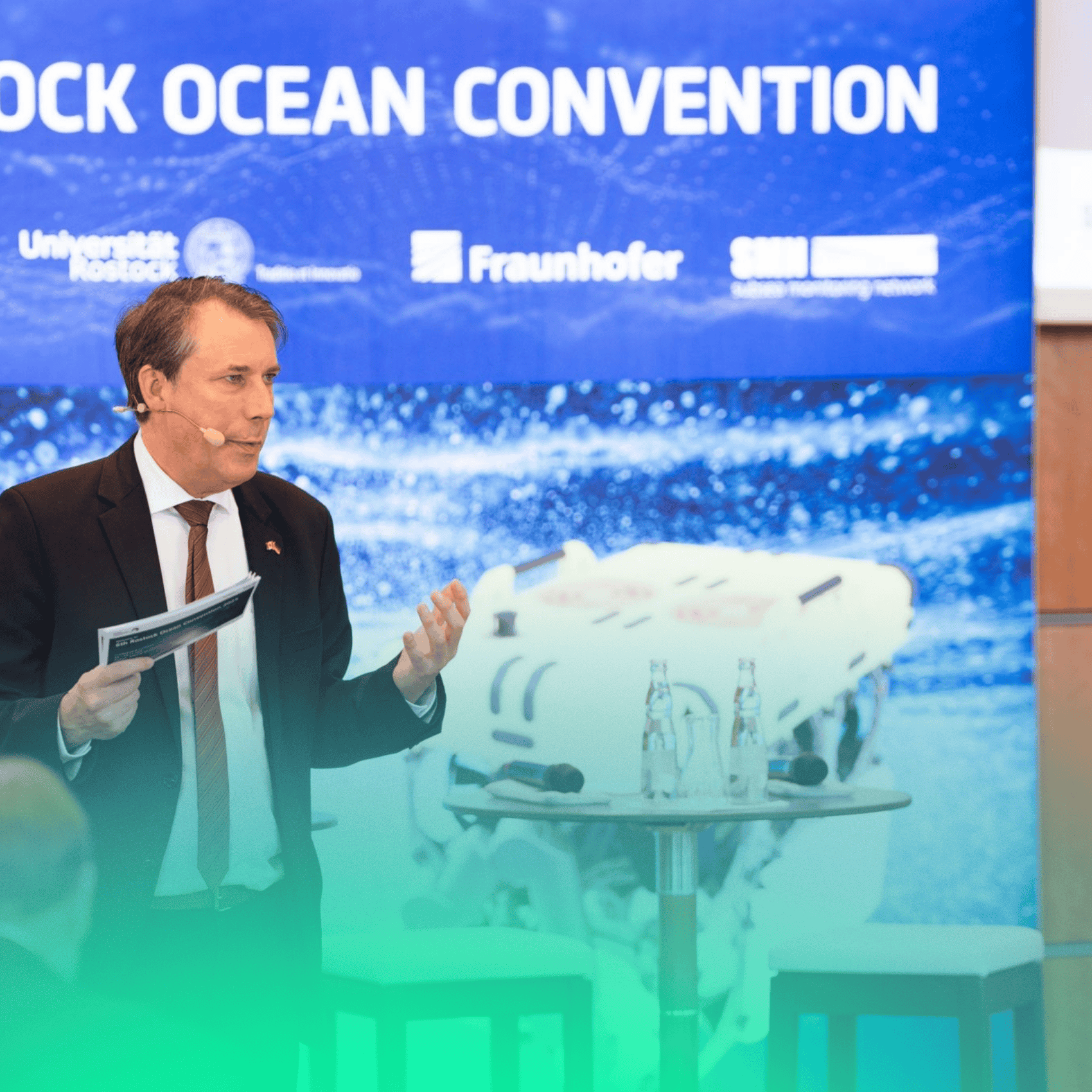
On November 3 and 4, 2026, the Rostock Ocean Convention will bring together experts from business, science, and politics in the Rotunda of the HanseMesse Rostock. Keynotes, workshops, and panel discussions will offer new impulses for ocean technology, sustainability, climate protection, and technology transfer, as well as space for exchange and new collaborations.
Members of the Ocean Technology Campus can request a discount code from Subsea Monitoring Network e. V. Opportunities for participation are also still available for sponsors and partners.
→ Discover maritime innovations, make connections, and shape the future together: Register now!
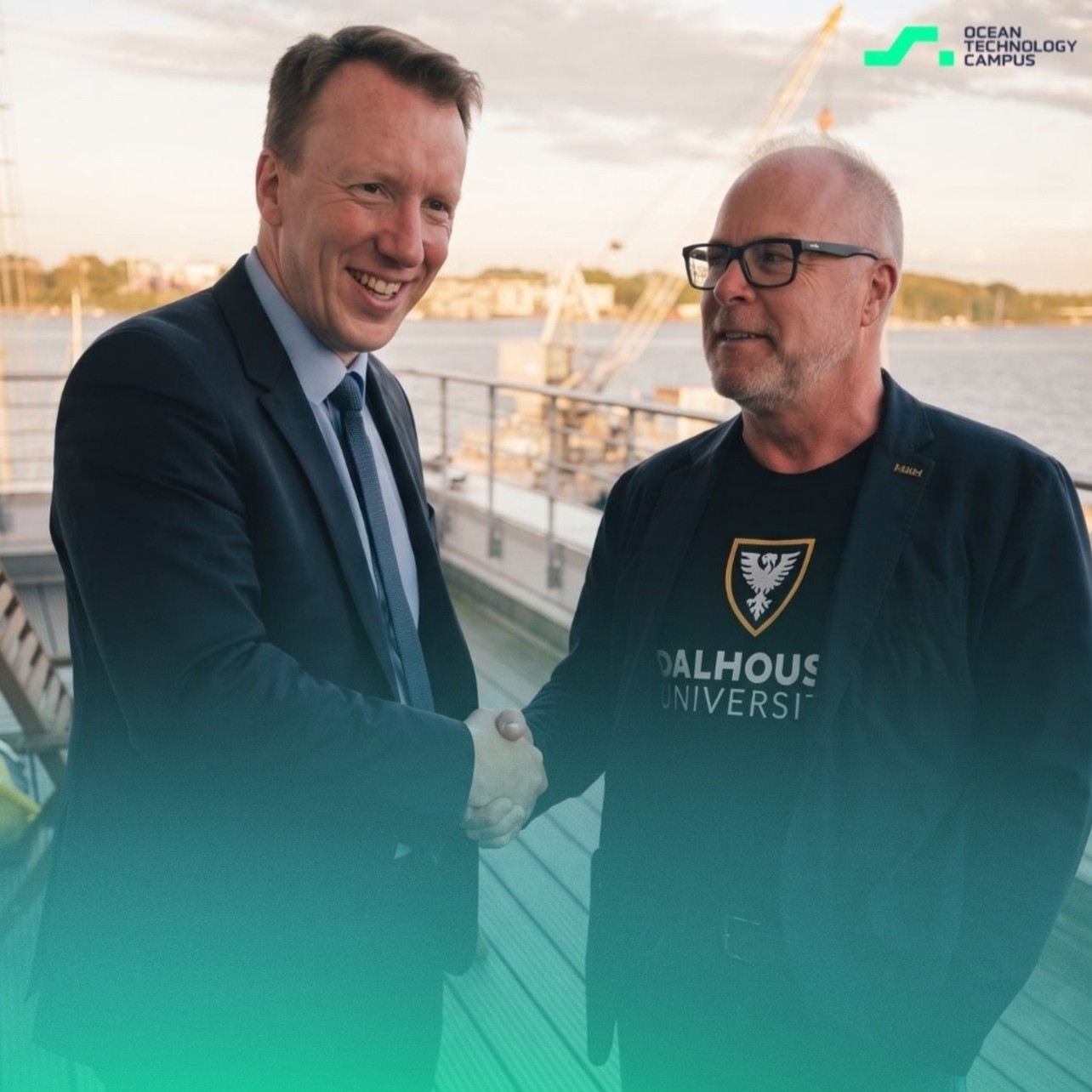
Growing connections between Germany and Canada are opening up new perspectives for the maritime industry, as well as for cooperation in research, education, and marine technology. Against this backdrop, we welcomed Matt Hebb, Vice-President Strategic Engagement at Dalhousie University in Nova Scotia, to strategic talks in Rostock.
Together with representatives of the Ocean Technology Campus Rostock, the University of Rostock, the IOW, Fraunhofer IGD, Rostock Business, and the Ministry of Science, Culture, Federal and European Affairs of Mecklenburg-Vorpommern, we presented the strengths of our maritime ecosystem and discussed opportunities for deeper collaboration. These opportunities arise from the Canadian government's planned procurement of up to twelve submarines from TKMS. As a result, billions in investments and economic activity with Canada are expected to emerge. This development could provide long-term momentum for the maritime industry in Mecklenburg-Vorpommern.
The discussions built upon long-standing cooperation with the Canadian innovation ecosystem COVE. Back in 2021, the sponsoring association of the Ocean Technology Campus Rostock signed a Memorandum of Understanding with COVE. In 2024, Dalhousie University, the Leibniz Institute for Baltic Sea Research Warnemünde (IOW), and the University of Rostock deepened these transatlantic relations through a comprehensive cooperation agreement, laying a strong foundation for future joint projects in marine research and technology.
One meet-up, countless ideas! Our Ocean Technology Meet-up attracted students from various disciplines, cluster members, and many other interested guests. Prof. Rouven Seifert from the Chair of Service Management spoke about the opportunities and challenges of digital and AI-based prototyping. Following that, Jens Reineke delivered an equally inspiring talk on the business beyond beer at Störtebeker Braumanufaktur.
Students from the "Sustainable Innovation and Entrepreneurship" Master's program presented their prototypes, and guests were able to vote for their favorite idea. A Networking Bingo organized by the RoOT Summer School and an AI Art Gallery initiated by students allowed attendees to engage in casual conversations and purchase AI artwork via donations to Tafel Deutschland e.V.
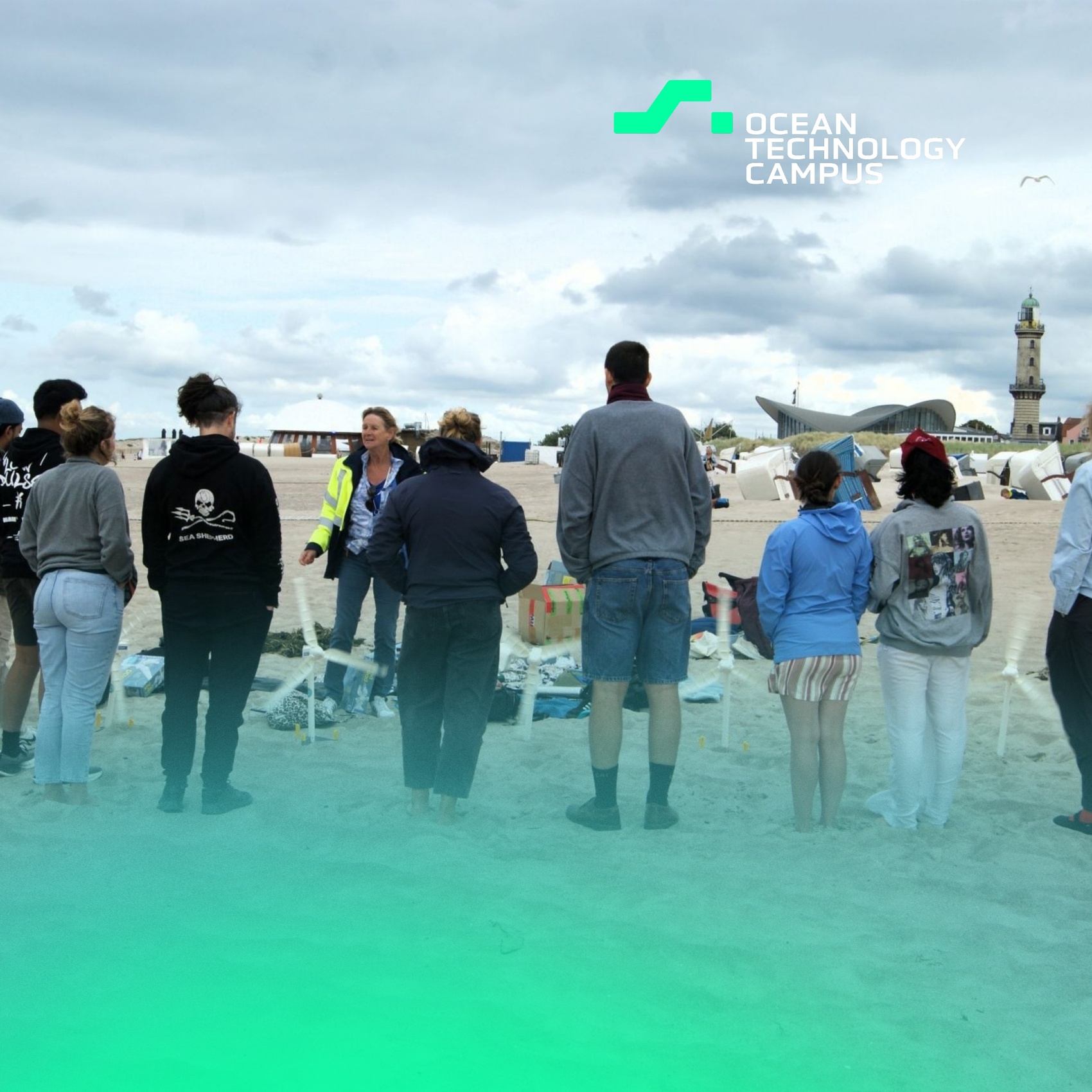
The 5th RoOT Summer School brought an international and interdisciplinary group of young talent to Rostock. Under the central theme "Challenges and Opportunities of Offshore Wind Energy," participants gained diverse insights into marine technology, research, and industry.
The program included visits to FRAMEWORK ROBOTICS, the research vessel Elisabeth Mann Borgese, the IOW, the Marine Science Center Hohe Düne, and the EEW Group. A special highlight was the engineering workshop at the Chair of Ocean Engineering. Working in four teams, participants developed and tested autonomous floaters. All four systems successfully passed tests in the basin. Evening social events offered additional opportunities for exchange and networking. Sincere thanks to all speakers, partners, and supporters who contributed to the success of the Summer School.
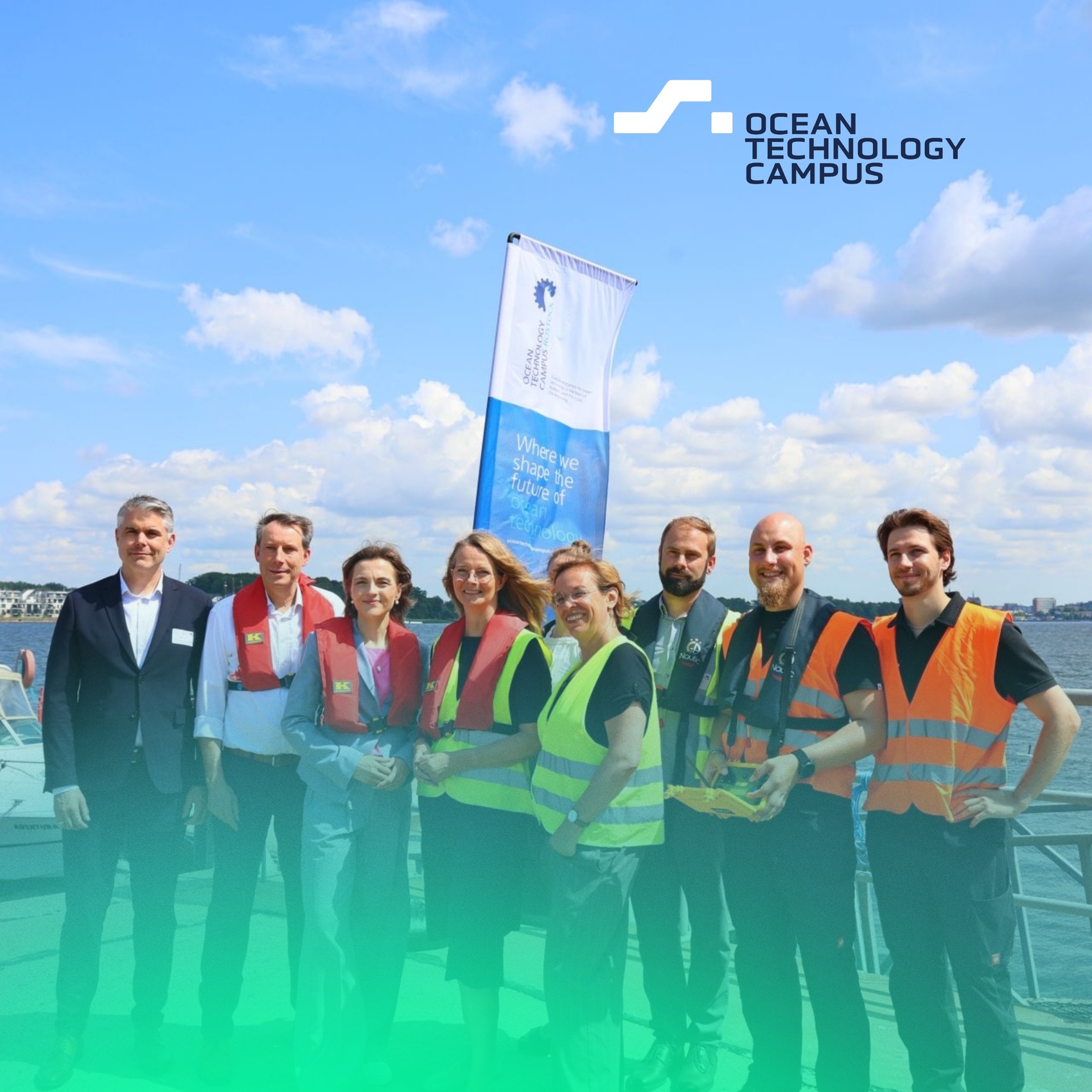
Elisabeth Kaiser, Minister of State and Federal Government Commissioner for East Germany, visited the Ocean Technology Campus Rostock. The visit offered insights into the growing network of science, industry, start-ups, and applied research taking shape in Rostock, focusing clearly on maritime innovation, security, and sustainable marine technology.
Franziska Schmacka presented the mission and development of the campus. Further agenda items included pitches and insights into maritime innovations for Germany's security, activities of the Maritime Incubator, the Digital Ocean Lab, and a live demonstration by Subdron—where guests were even able to pilot an ROV themselves.
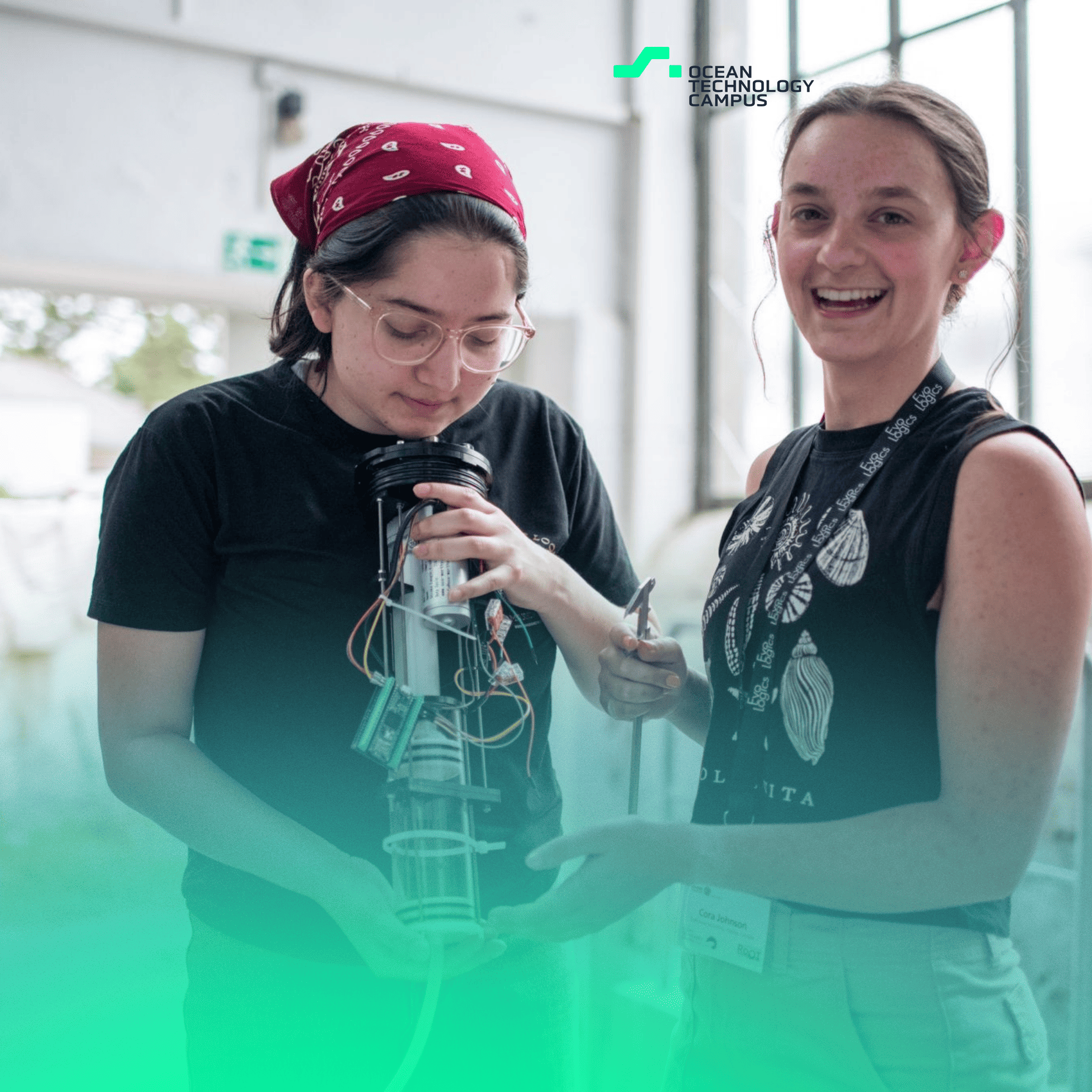
Four intensive days filled with practical marine technology, new experiences, and inspiring encounters—that was our Inventors' Camp 2026. Female participants aged 15 to 18 from Rostock, Brandenburg, North Rhine-Westphalia, and even Paris gathered to explore the world of ocean technology through teamwork and real scientific challenges.
The girls discovered marine life, investigated beach litter, visited the seal research station, operated an underwater robot, and built an environmental monitoring station. Additionally, they calculated, assembled, and successfully tested their own buoyancy body. Overlooking the Warnow, inspiring discussions about career paths took place with female scientists and engineers from OTC Rostock. Despite heavy rain and road closures requiring improvisation, the 13 girls grew into a strong team over the four days. A warm thank you to all partners who made this camp possible.
From October 2 to 4, Mecklenburg-Vorpommern brought the theme of water to the state showcase along Bremen's Weser Promenade. Ocean Technology Campus presented innovative underwater robotics, demonstrating to thousands of visitors how advanced maritime technologies will shape the future of the Blue Economy. Special thanks to colleagues from Landesmarketing MV for hosting us.
Copyrights: LandesmarketingMV/Garbe.
Big news: Ocean Technology Campus Rostock is now on Instagram! We invite everyone to follow us for behind-the-scenes looks at ocean tech innovations in Rostock, event highlights, partner spotlights, and much more. We appreciate every follower who helps us grow!
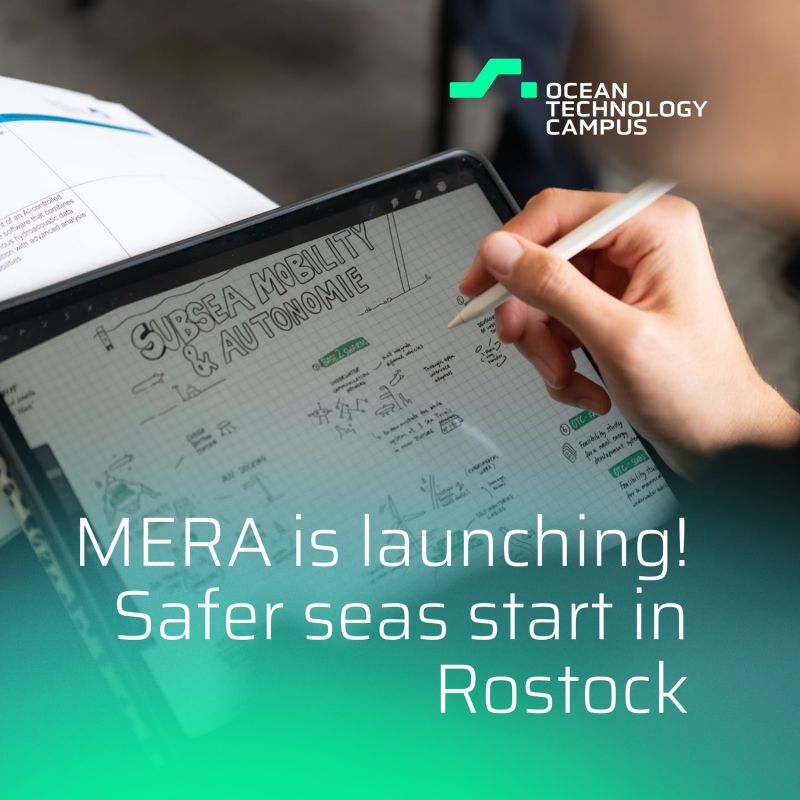
Mecklenburg-Vorpommern and the Ocean Technology Campus Rostock signed a joint Memorandum of Understanding to establish MERA (Maritime Explosives Recovery Alliance). Clearing legacy munitions from our seas is a generational task requiring innovative technologies to locate and dispose of munitions faster, safer, and with lower environmental impact.
MERA connects research, industry, and authorities along the entire process chain: from underwater technology and AI data evaluation to recovery and disposal. The Digital Ocean Lab plays a key role in testing new technologies. As part of this cooperation, an office is planned within the supporting association of the Ocean Technology Campus Rostock to bring together key stakeholders. The agreement was signed by Environment Minister Dr. Till Backhaus and Prof. Dr. Uwe von Lukas.
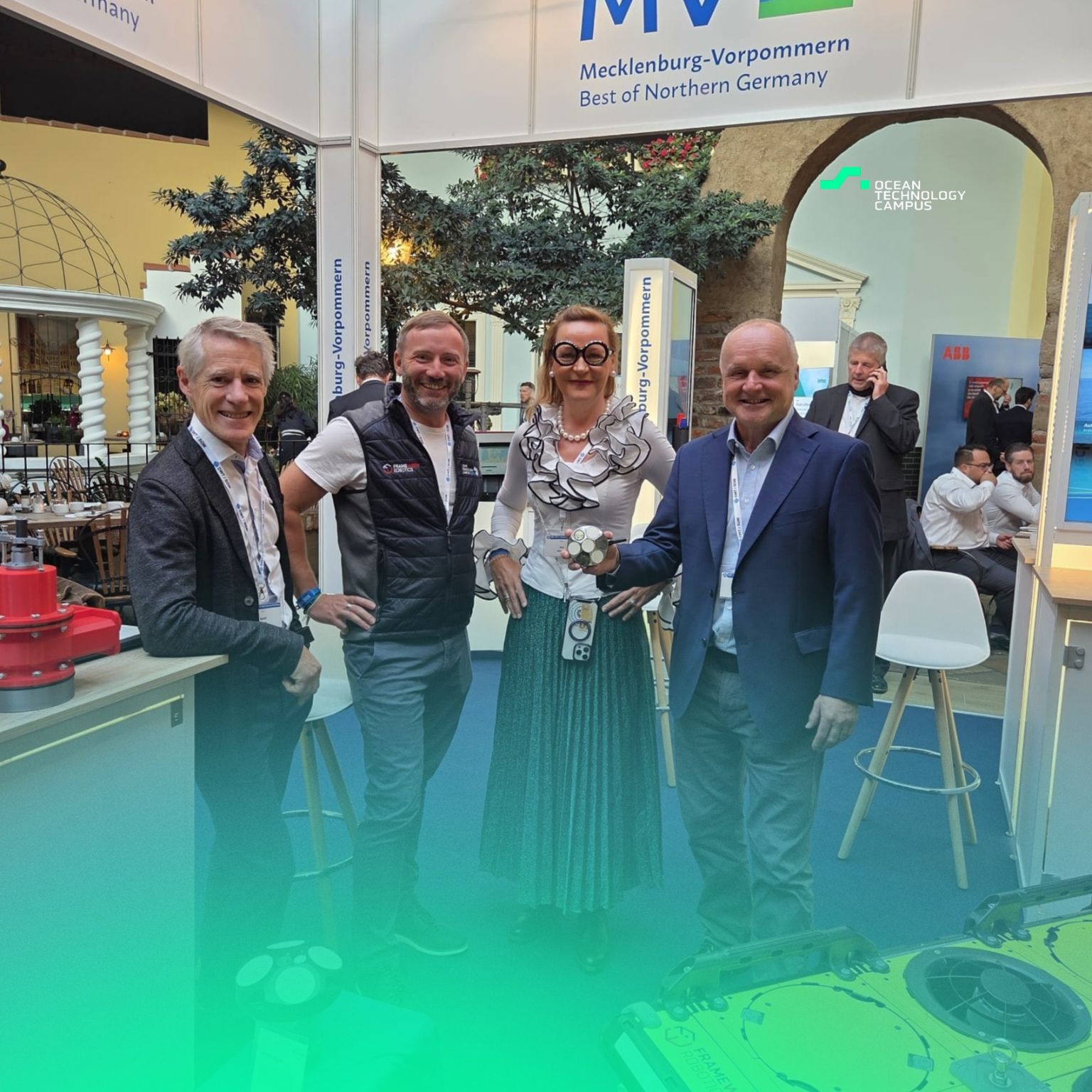
More than 950 participants from 16 nations gathered for three days at the 28th DWT Naval Workshop in Linstow to discuss the future of maritime capabilities. A highlight for us: State Secretary Jochen Schulte highlighted the Ocean Technology Campus Rostock in his opening speech as a central hub for underwater technology innovation in MV. Our partners are driving the practical application of civil—and increasingly defense-related—underwater technologies, autonomous systems, and sensors.
On Monday, December 14, 2026, starting at 5:00 PM, the 11th Greifswald Talk will focus on security, environmental, and maritime law challenges posed by hybrid threats in the Baltic Sea region. Key topics include protecting critical maritime infrastructure, coastal state authorities, and balancing security interests with marine environmental protection. Expert presentations and a panel discussion will connect perspectives from research and practice.
📅 When: Monday, December 14, 2026, starting at 5:00 PM
📍Where: Federal Maritime and Hydrographic Agency (BSH), Deneb Hall, Neptunallee 5, 18057 Rostock
Participation: In person or online, free of charge
Registration: By December 7, 2026, via the IfEUS registration form or email to ifeus@uni-greifswald.de. Please specify whether you will attend in person or digitally.
→ Register now to join the exchange on security, law, and environmental protection in the Baltic Sea region!
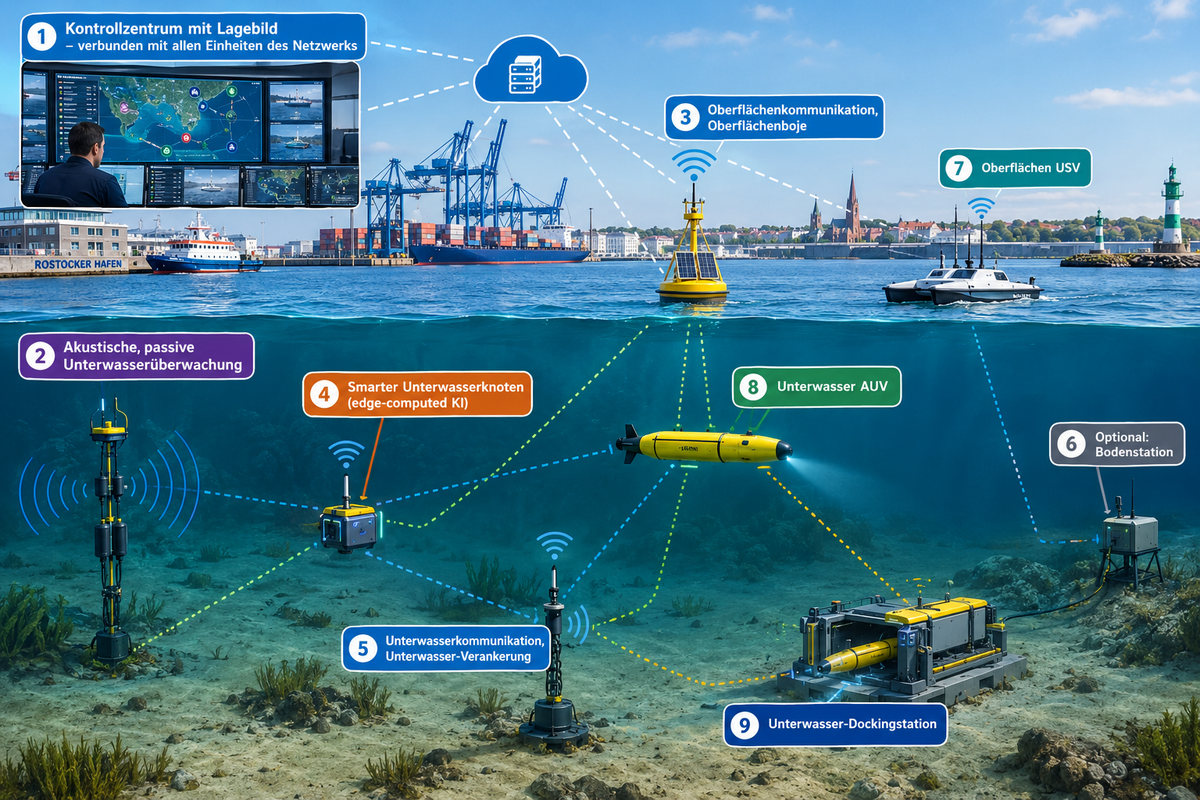
At the end of September, the new three-year collaborative project SEAMOS (Sensor-based Autonomous Monitoring System) for civil maritime security was launched. Funded by the Federal Ministry of Education and Research (BMBF / BMFTR), the project is coordinated by NXP Semiconductors Germany GmbH.
Consortium partners include the University of Rostock and our cluster partner EvoLogics GmbH, with Rostock Port and the Rostock Fire Department participating as associate partners. Research at the University of Rostock, led by Prof. Dr. Peter Danielis and Dr. Frank Golatowski, focuses on simulation, sensor data processing, communication, and AI-supported situational awareness to detect safety-relevant events early in maritime environments.
SEAMOS is among the projects featuring our new branding: "Affiliated to Ocean Technology Campus", highlighting the project's close connection to the OTC innovation ecosystem.
|

CLUSTERBÜRO OCEAN TECHNOLOGY CAMPUS ROSTOCK
Alter Hafen Süd 6 | 18069 Rostock | Germany
Phone +49 381 20268910 | +49 381 20268912
E-Mail: info@oceantechnologycampus.com


